New Puppy First Bath: When to Do It and How
On this page 3
When Your Puppy Needs a First Bath
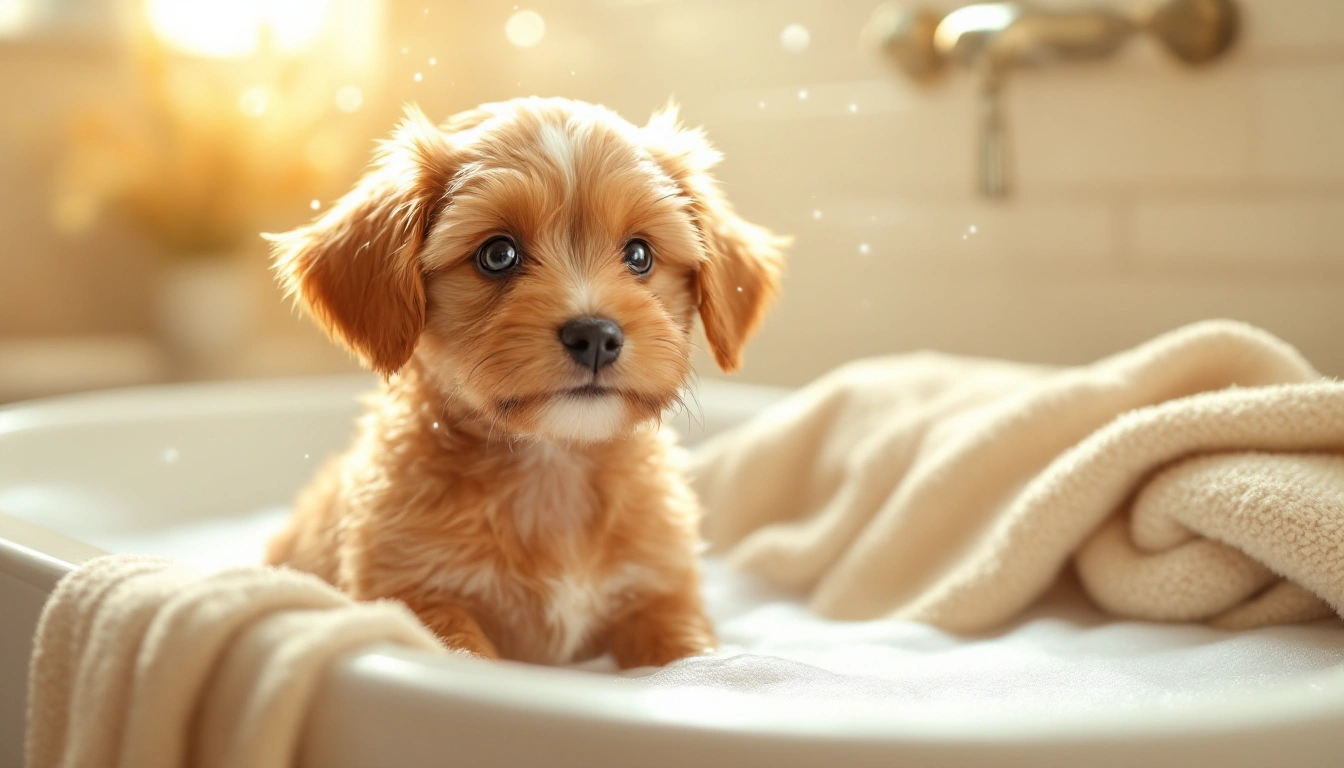
If you're wondering about your new puppy first bath, here's the short version: unless your puppy is actually dirty or smelly, there's no rush. Most puppies don't need their first bath until at least a few days after coming home, and it's fine to wait a full week if they're clean and settling in. The first 48 to 72 hours are already a lot of new smells, sounds, and handling for a puppy who just left their littermates; adding a bath on top of that can push an already-anxious puppy over the edge. If your puppy does need one sooner — a messy car ride, mud, something they rolled in — that's fine too, just keep it short and calm rather than a big production.
When you do bathe, use lukewarm water, not hot or cold, and a shampoo made specifically for puppies. Human shampoo and even regular adult dog shampoo can be too harsh for young, sensitive skin and strip natural oils that puppies still need. Keep the whole thing under 5 to 10 minutes: wet the body while avoiding the face and ears, work in shampoo gently, rinse thoroughly (leftover shampoo is a common cause of itchy skin), and towel dry in a warm room. A few treats during the process go a long way toward making bath time something your puppy tolerates instead of dreads.
If you're still building your pickup-week supply list, grab the free Puppy's First 30 Days pack below — it includes the full shopping checklist so bath time and everything else is ready before you need it, not scrambled together at the last minute.
Choose a Safe Place and Time
Hold off on full baths at a groomer or anywhere other dogs have been until your puppy's vaccine series is further along — ask your vet when it's safe for your specific puppy, since the schedule varies by breeder and location. A bath at home in your own bathroom or sink doesn't carry the same exposure risk, so that's the safer option for the first few baths regardless of vaccine timing.
Make the Bath Brief and Calm
A few things make the first bath go smoother. Get everything ready before you start — shampoo, two towels, treats — so you're not leaving a wet, confused puppy alone mid-bath to grab something you forgot. A non-slip mat in the tub or sink helps a lot too; puppies who feel like they're sliding around tend to panic, and that first scary bath can make every bath after it harder. And skip the blow dryer unless it's on the coolest, quietest setting — the noise alone is enough to make a puppy decide baths are terrifying.
Brushing before a bath matters more than most new owners expect, especially for longer-coated breeds. Loose fur and light tangles get worse, not better, once they're wet, so a quick brush-out beforehand makes the actual wash faster and a lot more comfortable for your puppy. For short-coated breeds this step matters less, but it's still a good five minutes to get your puppy used to being handled all over before water's involved.
Watch the water temperature closely — puppies can't regulate body heat as well as adult dogs, and water that feels comfortably warm to your hand can run a little hot for them. Lukewarm, closer to cool than to hot, is the safer range. Test it on the inside of your wrist the same way you'd check a baby's bottle, and keep the bathroom itself warm and draft-free so your puppy isn't shivering the moment the bath ends.
If your puppy absolutely will not tolerate a full bath in the first week, a damp washcloth wipe-down for paws, belly, and anywhere visibly dirty is a completely fine substitute. There's no rule that says a puppy needs a real bath in week one — getting them comfortable with being handled and touched all over matters more right now than getting them perfectly clean.
Having the right supplies on hand makes this a lot less stressful the first time — see the puppy bath and grooming essentials worth having before pickup day — a puppy-safe shampoo and a couple of towels dedicated just to bath time are worth having ready in advance.
Bath time gets easier fast. Most puppies go from tolerating it nervously the first time to barely reacting by the third or fourth bath, especially if you keep it short, warm, and treat-heavy from the start.