Puppy Socialization With Kids Who Aren't Yours
On this page 3
Why Unfamiliar Kids Need Separate Practice
Puppy socialization with kids who aren't your own is its own category, separate from introducing your puppy to the kids already living in your house. During this window, your puppy needs calm, positive meetings with a range of kids — different ages, sizes, energy levels, even different volumes of laughing and shrieking — because a puppy who's only ever met your own family's kids can still grow up nervous around children in general. The single most important thing: keep every meeting with an unfamiliar kid one-on-one and coached, not a group free-for-all.
Start With One Calm Child
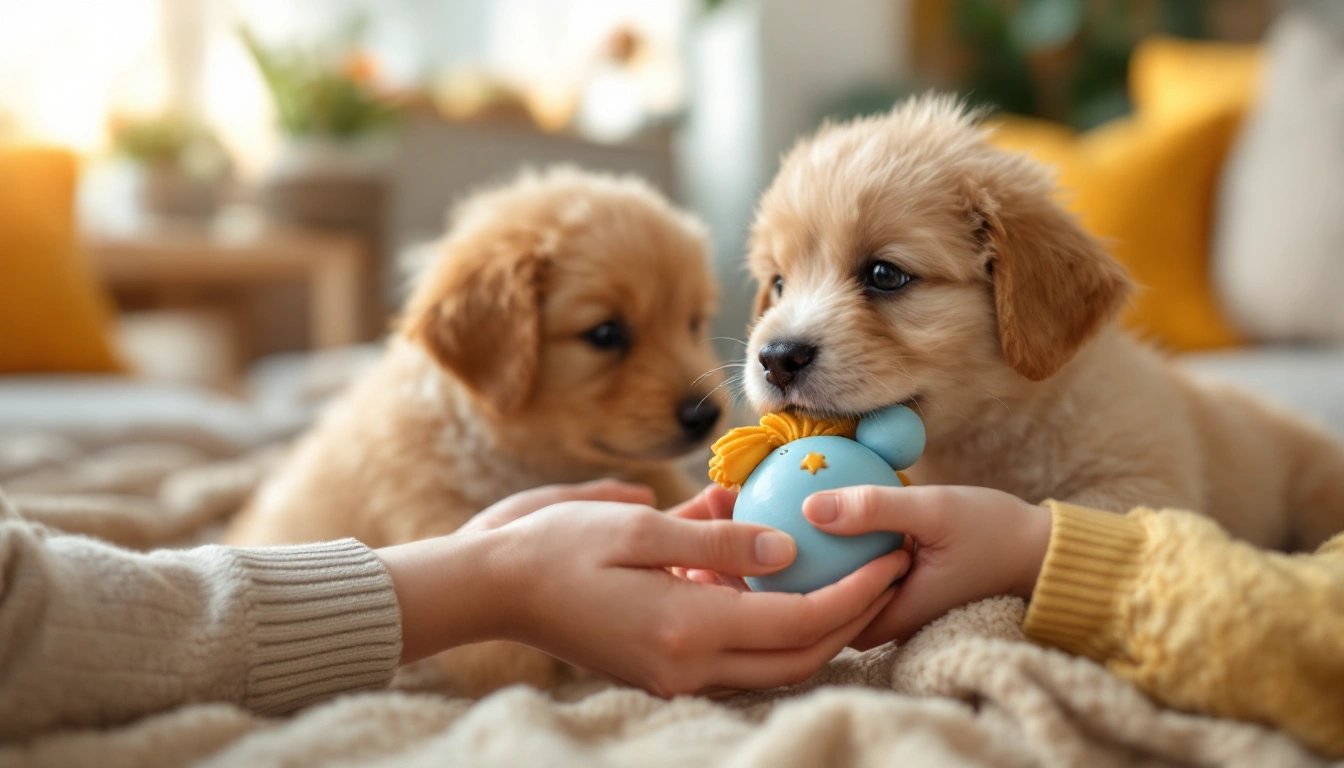
Here's how to set it up well. Ask a neighbor, friend, or relative with a calm, gentle kid if they'd like a short visit — five minutes is plenty for a first meeting. Have the kid sit or kneel, hands still, and let your puppy approach on its own time rather than being picked up or chased. Coach the kid the same way you'd coach your own: pet along the back and sides, no grabbing, no picking the puppy up, no loud sudden movements. A small treat offered from a flat palm gives the puppy a reason to associate this new kid with something good right away, and it gives an unfamiliar child a simple, safe job to do instead of just reaching for the puppy.
Read Puppy Signals Around Groups
Playgrounds and family gatherings are a different, harder setting, and it's worth treating them that way. A cluster of kids running, yelling, and reaching all at once is overwhelming for a puppy this young, even one who did great in a calm one-on-one meeting the day before. If you're bringing your puppy somewhere with a group of kids, plan on managing it actively: one child interacting at a time while the others wait their turn, a clear stopping point before your puppy gets overtired, and permission to just say no if the group energy is too much that day. A puppy who's overwhelmed by a mob of kids once can become genuinely fearful of kids as a category — that's the outcome this careful pacing is meant to prevent.
Watch your puppy's body language throughout, not just the kid's behavior. A puppy that leans in, has a loose wagging tail, and keeps coming back for more is enjoying it. A puppy that backs away, tucks its tail, yawns repeatedly, or tries to hide behind your legs is done, even if the kid is being perfectly gentle — end the session there rather than pushing for a longer one. Over the socialization window, aim for a handful of different kids spread across several weeks rather than one marathon afternoon with a big group; quality, calm exposures build confidence faster than quantity crammed into one day.
The full plan for spacing out this kind of exposure, alongside the rest of the socialization window, is exactly what's laid out day by day in the free Puppy's First 30 Days pack.
A few things turn an easy meeting into a rough one. Letting multiple unfamiliar kids approach at once, even well-meaning ones, overwhelms a puppy faster than any single interaction would. Assuming a puppy who's great with your own kids will automatically be fine with any child skips the actual point of this stage — the exposure has to be to kids outside the household specifically, since that's the gap that shows up later if it's skipped. And ending a good session too late, once the puppy is already overstimulated or snappy from overtiredness, undoes some of the good the earlier minutes built.
A structured approach to pacing these meetings across the whole window makes a real difference in how comfortable your puppy grows up to be around children generally, not just your own — see the socialization plan built around this exact stage covers exactly how to space it out so you're not guessing at what's enough.
Most puppies who get a steady handful of calm, one-on-one meetings with different kids over these few weeks grow into dogs who are relaxed and easy around children of all kinds, not just the ones they see every day. It doesn't take a big production — just a few short, well-managed visits spread out instead of crammed in.
It's worth keeping a simple mental tally as you go: which kids has your puppy met, roughly what age, and how did it go. That small bit of tracking makes it easy to notice gaps, like a puppy who's met plenty of calm toddlers but nothing louder or older yet, so the next few meetings can round out the picture instead of repeating the same easy win over and over.