Puppy Diarrhea After the Car Ride Home: Normal or Not?
On this page 3
Why the Ride Can Upset a Puppy
Loose stool after a car ride can have several causes; do not assume it is only stress. Keep fresh water available and contact your vet promptly for triage, especially for a very young or small puppy. Severe vomiting, bloody diarrhea, marked weakness, collapse or breathing difficulty means go to an emergency vet now.
What to Feed After Getting Home
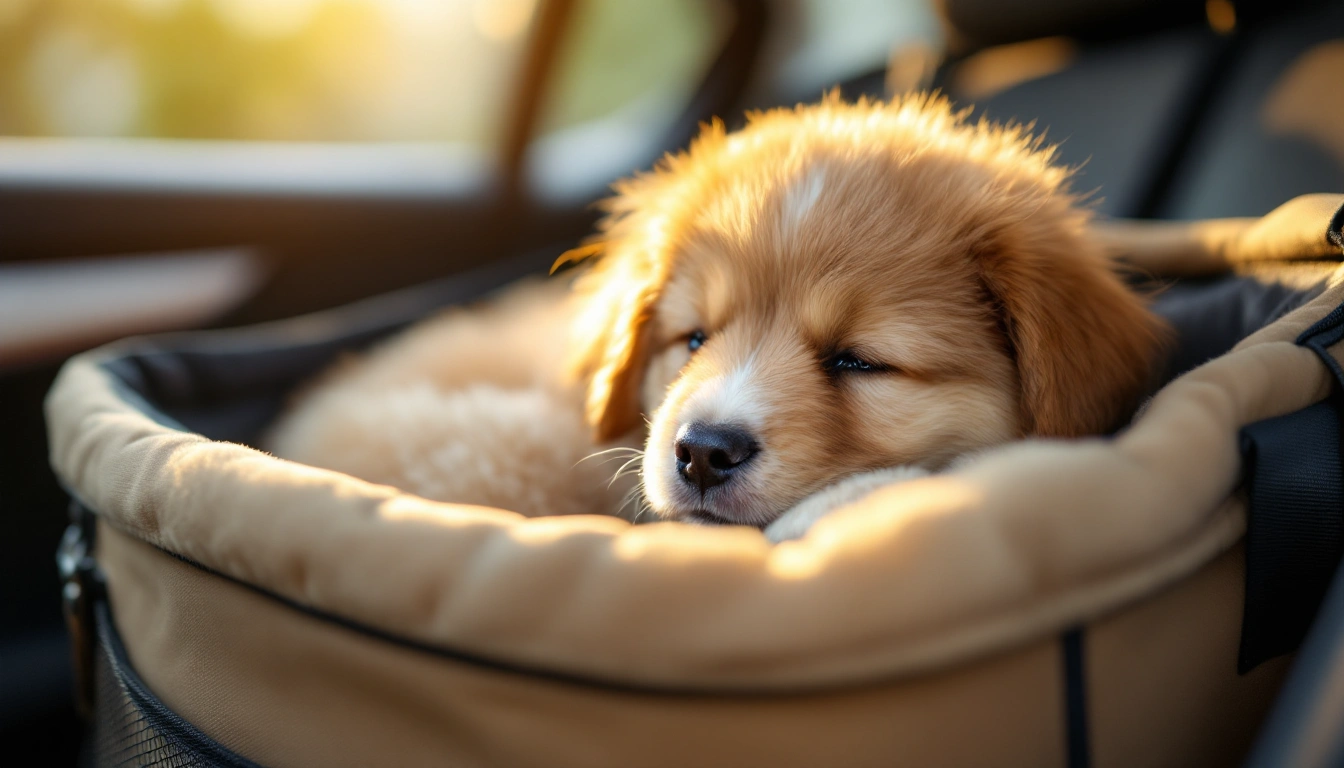
Here's why it happens and what actually helps. A car ride is often a puppy's first time away from its littermates, in a moving vehicle, surrounded by new smells and sounds — that combination of stress hormones and motion is enough to trigger loose stool or an upset stomach on its own, even with a completely healthy puppy. Stick with the exact food the breeder or shelter sent home, in small, frequent portions rather than one big meal, since a full stomach on top of stress makes things worse, not better. Keep fresh water available, keep the first day low-key with minimal handling and visitors, and give your puppy a quiet space to decompress rather than a busy house full of new faces.
When Diarrhea Needs a Vet Call
Contact your vet promptly about repeated diarrhea, vomiting, reduced drinking, poor appetite or discomfort. Do not wait a day or two if your puppy seems unwell. Bloody or severe diarrhea, severe vomiting, marked weakness, collapse, abnormal pale/blue gums or difficulty breathing require emergency veterinary care immediately.
Travel-related vomiting or drooling can need a different plan from diarrhea after arrival. Ask your vet about food timing and travel sickness for your puppy’s age before another long journey. Use a secured crate or suitable vehicle restraint and build up with short, calm practice trips.
Packing for a calm ride, and knowing what's normal to expect once you're home, is exactly the kind of prep covered in our free Puppy's First 30 Days pack, alongside the rest of the pickup-day plan.
A few things make the ride and the aftermath harder than they need to be. Feeding a big meal right before the drive raises the odds of an upset stomach and possibly motion sickness on top of it. Skipping a secured crate or carrier in favor of a loose puppy on someone's lap adds more stress from sliding and bracing during turns and stops, on top of the ride itself. And switching to a new food or treats right away, instead of sticking with what your puppy already knows, is one of the most common self-inflicted causes of day-one stomach trouble.
Keep a note of symptoms, food, drinking and energy for your vet. If an emergency sign appears, go immediately rather than waiting for a routine call or for symptoms to settle.
It also helps to have your vet's number and the nearest emergency animal hospital saved before pickup day, not looked up in a panic afterward. Most of the time you won't need either during the first 72 hours, but having them ready means one less thing to figure out on a day that's already stressful for you and your puppy both.
If considering insurance, compare current premiums, waiting periods and exclusions. Cover depends on the policy and medical history; buying a policy does not guarantee that a current stomach problem is covered. Never postpone veterinary care while arranging insurance.
Prepare the vet and emergency-clinic contact details before pickup, and match the action to the symptoms rather than assuming every stomach upset follows the same course.