New Puppy Red Flags First Days — Normal vs. Vet-Worthy
On this page 3
Normal Adjustment Versus a Red Flag
You're two days in and your puppy is doing something that doesn't feel right, and you can't tell if it's normal newness or something that needs a vet. Here's the short answer: sleeping most of the day, skipping a meal or two, hiding under furniture, and some crying are all normal in the first 72 hours. Not eating anything at all past 24 hours, repeated vomiting or diarrhea, pale or white gums, labored breathing, or a puppy who won't wake up easily are red flags. If you see any of those, call your vet the same day — don't wait to see if it passes.
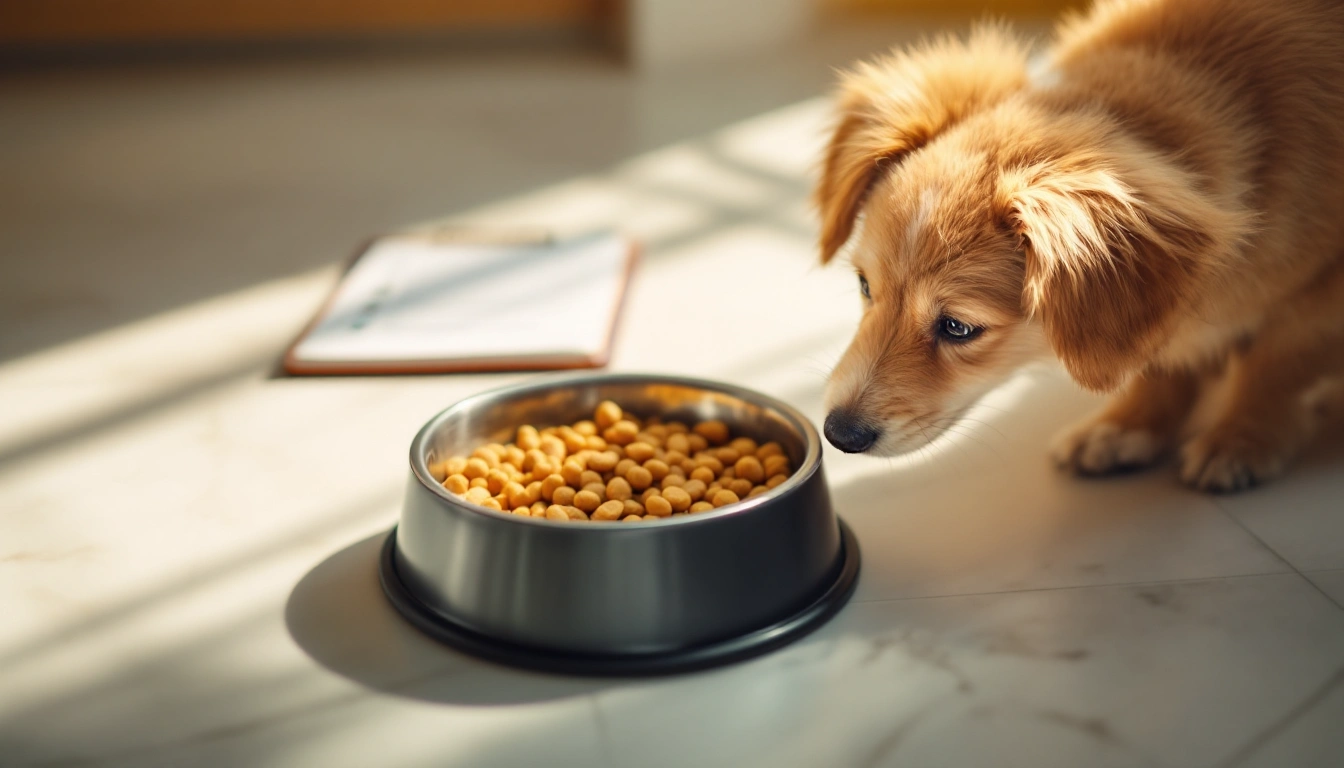
Here's how to sort the two apart in practice. A stressed puppy in a new home often eats less than usual for a day or two, picks at food instead of finishing a bowl, and may need some hand-feeding or a quieter spot to eat in peace. That's different from a puppy who turns away from food entirely, shows no interest even in something enticing like warmed chicken, and seems to be getting weaker instead of adjusting. Loose stool once from stress and a food switch is common; stool that's watery, bloody, or repeated more than two or three times in a day is not something to wait out.
Check Energy, Gums, and Breathing
Watch energy level the same way. A new puppy sleeping 18 to 20 hours a day and seeming a little flat is expected — everything about this move is exhausting and overwhelming for them. A puppy who's limp, unresponsive when you try to engage them, or who can't be roused for more than a few minutes at a time is a different picture entirely, and that's an urgent call, not a wait-and-see. Gums are a fast, useful check: press a finger against them gently — pink that returns quickly when you let go is normal, and pale, white, or blue-tinged gums mean you need a vet now.
Breathing and body temperature round out the list. Fast, shallow breathing right after a stressful car ride or a burst of play is normal and should settle within a few minutes of rest. Labored breathing at rest, or breathing that doesn't calm down after 10 to 15 minutes of quiet, is not. A puppy that feels unusually hot or cold to the touch, especially paired with lethargy, is also worth a same-day call rather than a "let's see how tomorrow goes."
Keep a Simple 72-Hour Check-In
A simple daily check-in makes this easier than trying to remember what's normal from memory. Each morning and evening for the first 72 hours, glance at four things: has your puppy eaten something (even a small amount), has stool looked roughly normal, is energy level somewhere close to the day before, and do gums look pink when you check. Writing down a quick yes or no for each takes under a minute and gives you a real baseline, so if something shifts on day three, you're comparing it to your own puppy's actual pattern instead of guessing from a general list.
Knowing what to expect day by day makes red flags much easier to spot, since you're not guessing whether today's behavior is on track.
A few habits make it harder to catch a real problem early. Assuming every symptom is "just the move" and waiting several days to see if it clears up can let something small turn into something serious, especially in a puppy this young with little reserve. Comparing your puppy to a friend's puppy or a video online instead of watching your own puppy's actual baseline can send you chasing the wrong signal. And skipping the first vet visit until the multi-week vaccine schedule kicks in, instead of calling with a specific concern right away, leaves you without a professional read when you actually need one.
Puppy insurance is worth setting up in these first few days rather than after something happens — premiums are lowest before any condition shows up on record, and it means a same-day vet call isn't also a financial decision. Compare puppy insurance plans while premiums are still low is worth five minutes if you haven't looked into it yet.
Most of what feels alarming in the first 72 hours turns out to be ordinary adjustment, and it fades within a few days as your puppy settles in. Trust the specific red flags above over general worry, and call your vet when something matches them instead of guessing.