Crate Training Puppy Schedule: A 7-Day Fast-Track Plan
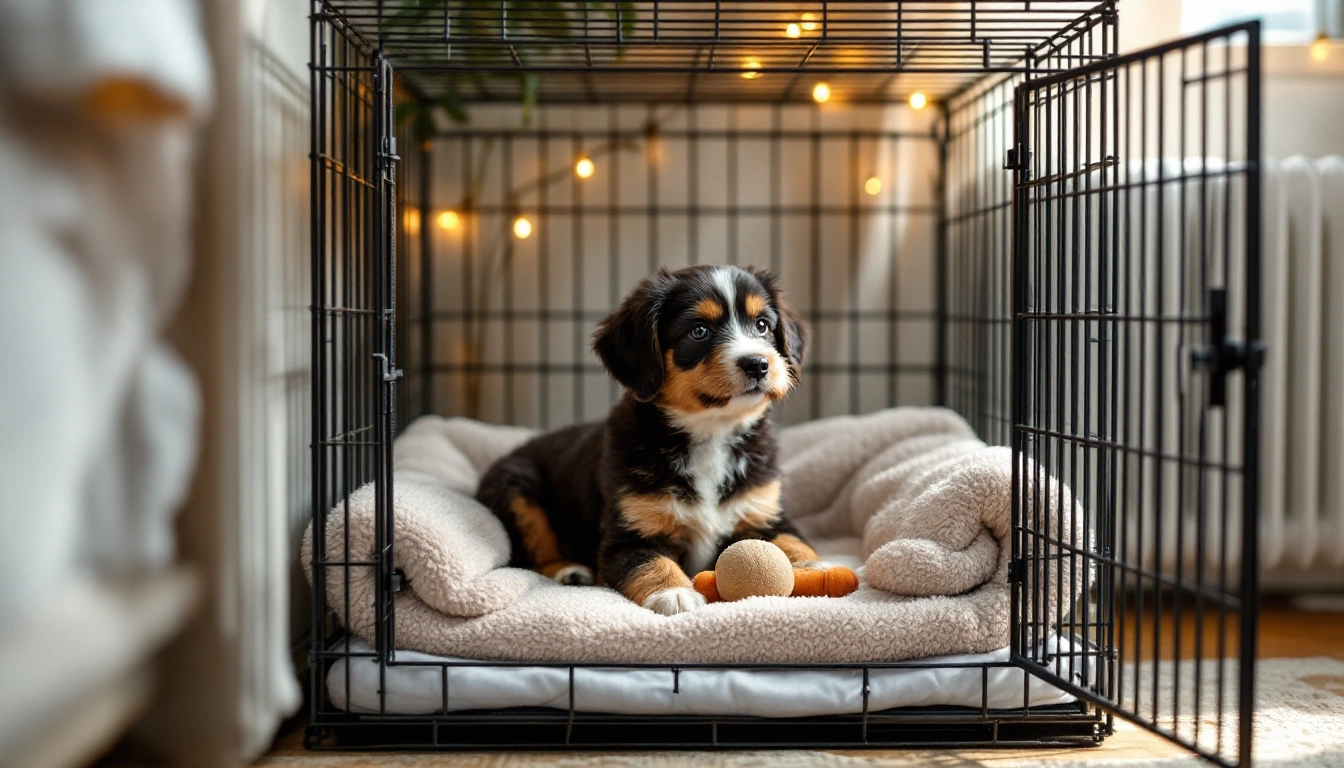
Follow the Seven-Day Progression
You want your puppy crate trained fast, ideally within a week, and you're not sure where to start. Here's the plan: build it in short, positive sessions instead of long stretches, and never use the crate as a punishment. The single most important rule for speed is this — every early crate experience has to end while your puppy is still calm, not after they've been shut in long enough to get upset. Rushing the door-closing step is what turns a week-long process into a month-long one.
Day 1 to 2: leave the crate door open with soft bedding and toss treats or meals inside so your puppy walks in on their own. No door closing yet. Let them wander in and out freely, several times a day, for just a couple of minutes at a time. Day 3 to 4: start closing the door for 30 to 60 seconds while you sit right next to it, then open it before any whining starts, not after. Gradually stretch that to 5 minutes over these two days, always ending on a calm moment. Day 5 to 6: move a few steps away while the door is closed, working up to leaving the room for 1 to 2 minutes and coming back before distress builds. Day 7: put it together — a full short absence of 10 to 15 minutes, then your first overnight attempt with the crate right next to your bed.
What's normal along the way: some whining in the first couple of sessions, a puppy who paws at the door for a minute before settling, and slower progress on some days than others — this isn't a straight line. What's not normal: panic that doesn't ease at all after several short sessions, or a puppy who won't calm down even with you right there. If that's happening, slow the pace back down to the previous day's step rather than pushing forward, and check in with your vet or a trainer if it doesn't improve after a week of patient repetition.
Most puppies who go through steps like this in order are comfortable with short, closed-door time by day 4 or 5, and ready for a full night attempt by the end of the week. A few puppies — especially more anxious ones — need closer to two weeks moving at the same pace, and that's still a normal outcome, not a failure of the method.
Here's what a typical day 4 looks like in practice: three or four short closed-door sessions spread across the day, each starting at 30 to 60 seconds and stretching a little longer if your puppy stays calm, with a five-minute break between sessions so it never feels like nonstop pressure. If a session goes badly — pawing, sustained whining, no settling at all — end it on the next calm moment rather than pushing to a set time, then try again a little later at the previous day's duration instead of the day's target. That flexibility inside the plan is what keeps the whole week on track even when one session doesn't go perfectly.
This exact 7-day breakdown, with the timing built in so you're not guessing how long each step should take, is what's inside the free Puppy's First 30 Days pack.
Avoid Skipping Steps
A few things stall this plan without you realizing it. Jumping straight to a closed door and a full absence on day one, skipping the open-door groundwork, sets a puppy up to panic before they've learned the crate is safe. Opening the door the instant your puppy whines, even once, teaches them that whining works and undoes several days of progress fast. And moving to the next step on a fixed schedule regardless of how the previous day actually went ignores the one thing that matters most here — your puppy's own pace.
The crate itself matters too: too large and your puppy may use one end as a bathroom, too small and they can't turn around comfortably. See the right-sized crate setup for this 7-day plan if you want the sizing and bedding sorted out before day one starts.
A week is a realistic target for most puppies if you follow the order above and don't skip steps. If yours needs longer, that's not a sign anything is wrong — just keep repeating the last comfortable step until it's boring, then move on.