Puppy Not Eating the First Day? Here's What's Normal
On this page 5
A Skipped First-Day Meal Is Usually Stress
Why stress can erase the first meal
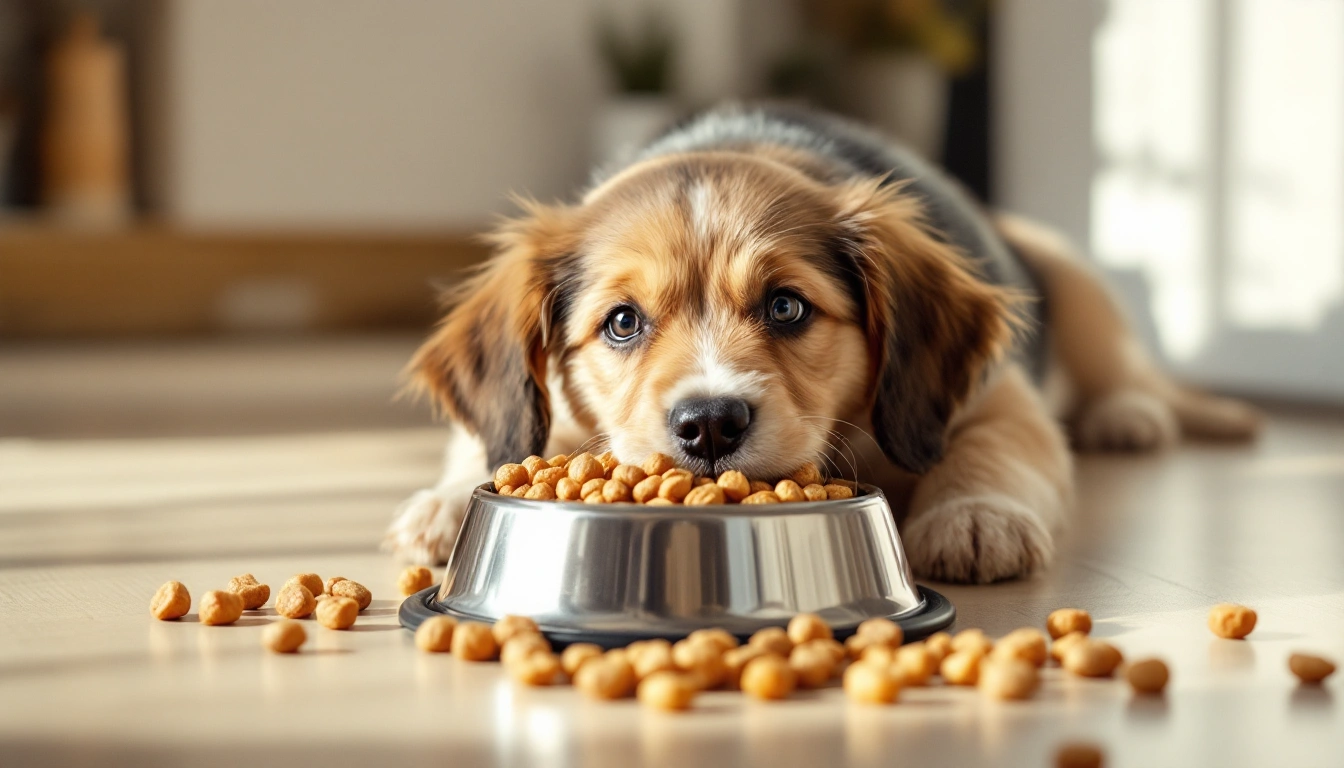
A puppy not eating the first day home is one of the most common pickup-day worries, and in almost every case it's stress, not sickness. Your puppy just left the only home, smell, and littermates it's ever known, got put in a car, and landed in a strange place full of new sounds and people. A skipped meal or two in the first 24 hours is a normal part of that adjustment, not a red flag on its own. The single most useful thing you can do right now: put the food down, walk away, and don't hover or coax — pressure around food during this window usually makes a nervous puppy eat less, not more.
Here's the fuller picture. Offer meals on the regular schedule your breeder or shelter gave you, in a quiet spot away from foot traffic, kids, and other pets. Leave the bowl down for 15 to 20 minutes, then pick it up whether it's empty or not — this keeps the schedule predictable without turning mealtime into a standoff. If plain kibble is getting ignored, warming it slightly or mixing in a small amount of plain wet food can make it more appealing without teaching a habit you'll regret; skip anything rich or new that could upset a stomach that's already dealing with a lot of change.
Some puppies also drink less water than usual on day one for the same stress reasons. Keep fresh water available at all times and don't force it, but keep an eye on it — a puppy that's eating nothing and drinking nothing for a full day needs a different level of attention than one who's just picking at food.
If today already feels like more guessing than you expected, the free Puppy's First 30 Days pack below lays out exactly what a normal eating and settling pattern looks like day by day, so you're not second-guessing every skipped bowl.
Offer food without creating pressure
Protect water and the feeding routine
Know when appetite needs a vet call
A few things can make day-one eating worse. Switching foods immediately — even to something "better" — on top of the stress of a new home is often one change too many; stick with whatever your puppy was already eating for at least the first few days. Crowding the food bowl with excited kids or a curious resident pet standing over it will shut down even a confident eater. And constantly refreshing the bowl with something new every time your puppy walks past it teaches pickiness fast, which turns a one-day stress dip into a weeks-long habit.
Most puppies are eating normally again by the second day, and nearly all are back to their regular appetite by day three once the new environment starts to feel familiar instead of overwhelming. What's worth a call to your vet: a puppy that refuses food and water for more than 24 hours, seems lethargic or won't get up to explore at all, has vomiting or diarrhea along with the lack of appetite, or is a very small or toy breed puppy, since low blood sugar can become a real issue faster in tiny dogs. None of those symptoms mean something is definitely wrong — they just mean it's worth a phone call instead of waiting it out.
A gentle food topper or a vet-recommended transition plan can make the first few meals easier if your puppy is especially picky — see the food options vets recommend for a new puppy's first week — but for most puppies, time and a calm room do more than any product will.
It also helps to separate "not eating" from "eating less than expected." A puppy who normally eats a full bowl in five minutes but takes twenty minutes to finish half of it on day one is still eating — that's a slower, more cautious version of normal, not a red flag. Keep a rough mental note of how many meals get skipped entirely versus just eaten more slowly, since that distinction usually matters more than how the bowl looks at any single meal. If your puppy is drinking water normally, playing, and using the bathroom as expected, a slow or skipped meal or two is far less concerning than the same thing paired with low energy across the board.
Give it a day before you worry, and don't let a skipped bowl on day one make you feel like you're already behind. It's one of the most common, most temporary parts of bringing a puppy home.